.svg)
.svg)
We live in the era of constant changes and revolutions in the global finance sector. Tokenization is one of those innovations that reshapes assets, investments, and financial transactions. Its popularity comes from its ability to turn almost anything into a secure, tradable digital unit. Even gold can be tokenized.
AYNI Gold is leading the way in merging real-world gold mining and blockchain technology with the AYNI token at its core. To better understand the process and opportunities it brings to holders, it is worth knowing what tokenization is and how it works.
What Is Tokenization?
Tokenization is the conversion of an object from the real world into its digital representation via issuing a blockchain-based asset, also known as a token.
Knowing how tokenization works on the blockchain allows for maximizing profits from it. It has many advantages, but the key one is that it takes a step away from traditional ownership. Being the only owner is not required. Tokenization allows tiny investments into high-value items.
How Tokenization Works on the Blockchain
Tokenization follows a clear, structured process that turns real‑world or digital assets into secure, tradable blockchain tokens. It involves the following steps:
- An asset that should be tokenized is selected. It can be either a real object or a digital asset.
- Legal structuring and ownership rights are clarified. That is when a fractional or full ownership is defined. It becomes legally clear what each token represents (e.g., a share, a claim to revenue, or simple access rights).
- Tokens are created using smart contracts on a blockchain. Those smart contracts define how many tokens exist, what rights they carry, how they can be transferred, and under what conditions.
- Ownership is recorded on the blockchain. So, a clear, permanent record of who owns what is kept.
Blockchain ensures the transparency and immutability of created tokens. Records cannot be altered discreetly, and anyone with permission can verify ownership.
At the same time, smart contracts automate tokenization through self-executed code. In other words, the smart contract follows a set of rules written into its code. As a result, token issuance, ownership transfers, and compliance aspects are conducted without intermediaries. Those actions are approved automatically once a certain set of conditions is met.
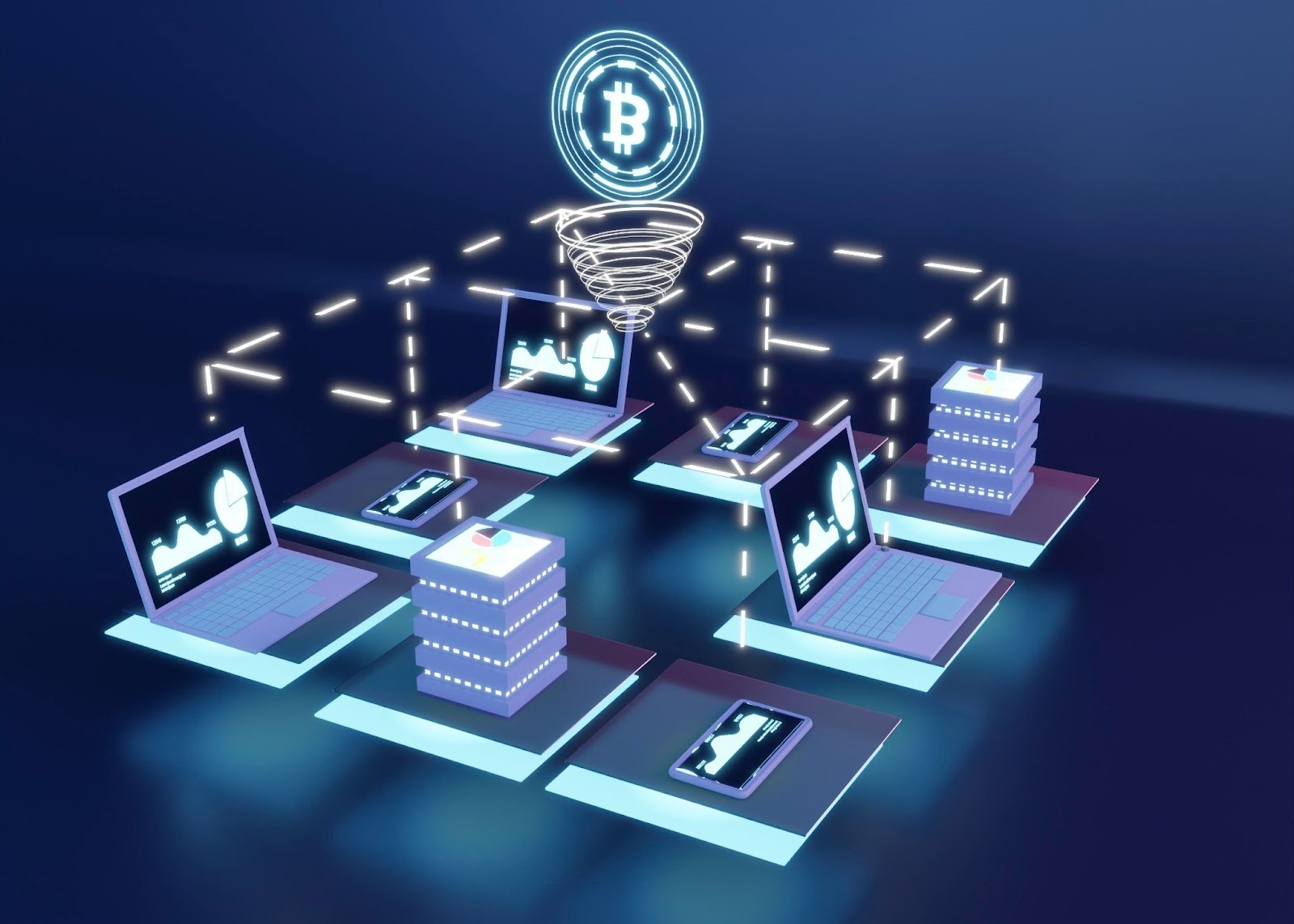
Types of Tokenized Assets
Tokenization can be applied to a wide range of asset types, but they all can be grouped into three large categories:
- real-world assets — real estate, commodities like gold, art, and collectibles;
- digital assets — intellectual properties (e.g., music rights, patents, and digital creations) or in‑game items (e.g., skins, weapons, characters, and virtual land);
- financial instruments — stocks or bonds.
All those assets can be either fungible or non-fungible. Fungible tokens work like digital money. They have the same value and can be swapped for one another. Meanwhile, non‑fungible tokens (e.g., NFTs) represent something unique. So, no two tokens are identical.
Tokenization in DeFi and the Crypto Ecosystem
As we have tokenization explained for beginners in this guide, we will touch upon DeFi briefly, as this is a complex subject. To put it simply, DeFi allows for moving tokenized assets across different blockchain platforms. It can be used in lending protocols, where users borrow or supply tokens as collateral, or in staking and yield‑generation pools, where tokens earn rewards for supporting network operations or liquidity.
Due to the possibility of fractional ownership, liquidity is boosted. Moreover, 24/7 markets make it easier for people worldwide to buy, sell, or use assets instantly. Since these tokens follow common blockchain standards, they work smoothly across multiple apps and networks. In other words, tokens are interoperable, which boosts liquidity.
Benefits of Tokenization
Tokenization has several undeniable advantages for those seeking long-term investment into high-value assets. The key benefits are mentioned below:
- Fractional ownership. Tokenized items have fractional ownership. So, one asset can be owned by multiple investors.
- Lower entry barriers. If becoming an investor in gold mining requires significant capital in the real world, blockchain allows it, even for a $100 investment. As a result, it is much easier to become an owner on the blockchain.
- Faster transactions. The asset management process is more efficient and faster. Thus, assets can be transferred, traded, or settled almost instantly.
- Reduced intermediaries. Tokenization works on automated smart contracts. They allow management of owned tokens without slow, manual intermediaries.
- Improved liquidity and market efficiency. A blockchain environment creates improved liquidity for tokenized assets. As a result, tokens can move quickly between buyers and sellers. This smoother flow of capital leads to fairer pricing, tighter spreads, and a more dynamic investment environment overall.
Tokenization democratizes access to traditionally exclusive asset classes while increasing transparency and efficiency across the investment lifecycle.
Risks and Challenges to Consider
Tokenization offers powerful advantages, but it also comes with important risks that every investor should understand, namely:
- regulatory uncertainty, as evolving laws may affect how tokenized assets are issued, traded, or taxed;
- asset custody and legal enforcement, because ensuring that real‑world assets are properly held and legally protected can be complex;
- smart contract vulnerabilities, as coding flaws or exploits, may compromise token security or functionality;
- market volatility that makes prices of assets fluctuate heavily.
Always consider those risks when you select a tokenized asset for your investments.
Simple Guide to Tokenized Assets: How to Get Started
Getting started is easier than it seems. Follow this simple guide to tokenized assets to invest in fractional ownership of real‑world or digital assets through blockchain technology. There are four steps to take when you obtain tokenized assets.
Choose a Platform
Begin by choosing a reputable platform that offers the type of assets you’re interested in. Pay special attention to the information it provides. Ensure that it is transparent about fees, licensing, and user protection.
Set Up a Wallet
Regardless of the assets that you would like to have, you would need a wallet. That is where you will store and from where you will manage your tokens. A digital wallet also enables secure interaction with blockchain networks, allowing you to send, receive, and monitor your tokenized assets with full control and transparency.
Understand Compliance Requirements
To avoid surprises, study the terms and conditions before making any investment. Furthermore, understand compliance requirements, as most reputable platforms require identity verification to meet KYC and AML standards.
Emphasize Research and Due Diligence
Profound research is critical when it comes to tokenized assets. Even if you are fully certain about the platform and project, still find time to read through all the documentation, assess the underlying asset, and understand the associated risks before making any commitment.
When it comes to the AYNI token, it is the first token that is backed by gold mining. Its ecosystem ensures transparency and visibility of mining and rewards distribution. Extraction rates, operational costs, and profits data are available publicly and can be verified.
AYNI Gold gives token holders an exclusive opportunity to invest in gold mining and receive access to PAXG allocations. Because each token is linked to measurable output from a Peruvian gold concession, AYNI reduces speculation and anchors its value in a proven, centuries‑old industry.
Conclusion: The Future of Tokenization
Tokenization revolutionizes and innovates the financial sector. It changes the way people interact with assets, making ownership more accessible, transparent, and efficient than ever before. This shift unlocks new liquidity and reduces barriers to entry. Investments are now possible on markets that were once limited to a few. AYNI demonstrates how real‑world production can be merged with decentralized systems to make investment in gold mining accessible.



.svg)