.svg)
.svg)

Key Takeaways:
- Gold is a stable asset for preserving capital amid economic volatility, influenced by supply, demand, inflation, rates, and geopolitics.
- Early 2025 prices ranged between $2,600 and $2,700 per ounce, later climbing above $4,000 toward the end of the year.
- Main price drivers: real bond yields, dollar cycles, institutional demand, and central bank buying.
- Investment trends: growth in tokenized gold assets (such as the AYNI token tied to mining), rising central bank reserves, and increased retail interest.
- The 2026 outlook ranges from bullish (inflation and tensions persist) to bearish (higher rates, stronger dollar).
- Gold supports portfolio diversification and risk hedging via physical, futures, or digital formats.
- AYNI token provides digital access to gold mining profits with potential returns up to 30% annually.
For decades, gold has been a key asset for investors worldwide. It is not country-specific and does not depreciate as quickly as fiat money. This metal remains a versatile way to preserve capital. During periods of instability, gold demonstrates its resilience, and during crises, its price often rises.
The current macroeconomic environment remains volatile. Currently, countries are experiencing elevated inflation, rising public debt, political tensions, and fluctuating real interest rates. In this context, gold remains a valuable asset for balancing risks and building resilient portfolios throughout economic cycles.
In this article, we will cover everything investors need to know in 2025–2026: the historical context, current market dynamics, factors influencing price, a forecast model, and strategic conclusions. The second important point is the role of the AYNI token and the specifics of investing in gold mining — the format offered by ayni.gold, which differs from traditional metal purchases.
Gold Price Today: What Investors Need to Know
The gold price today is significantly higher compared with the beginning of 2025, reflecting strong investment demand and shifts in macroeconomic conditions. At the start of 2025, the average spot price fluctuated around $2,600–2,700 per ounce. Since then, it has risen markedly, reaching over $4,000 by year-end as market sentiment and global liquidity conditions changed.
Short-term volatility remains moderate. Investors see price fluctuations of 1–3% per week. These movements are typically associated with news about Fed interest rates, CPI reports, and employment data.
The market remains predictable for those who conduct regular market analysis and monitor market participants. Analysts note several key points that portfolio managers should consider:
- real bond yields remain a key price driver;
- U.S. dollar is experiencing cycles of strengthening and weakening;
- institutional investors continue to view gold as a stabilizing tool.
The price reflects investors' current focus on analyzing the dynamics and expectations of the precious metals market.
Gold Price Historical Chart: Long-Term Overview (briefly)
Historical analysis shows that gold has experienced steady growth over the past decades. When examining the metal price historical chart over 10–50 years, several primary price acceleration cycles are evident.
The key turning points are:
- 1970s — oil shocks and inflationary spiral.
- 2008 — the global financial crisis, which led to gold becoming the main safe-haven asset.
- 2020 — pandemic, collapse of production chains, and a sharp increase in demand.
- 2022–2024 — high inflation and aggressive rate hikes.
Compared with inflation and the S&P 500 index, gold outperforms during long economic cycles when the value of money falls. During crises, the metal almost always rises, as customer behavior shifts toward defensive instruments.
How Gold Price Is Determined
Understanding how gold price is determined is a key tool for any analyst or portfolio manager. This process is influenced by many factors, each of which can move the market in the short or long term.
Supply and Production
Global production remains consistently limited. Gold is a rare resource, and supply expansion is slow. Supply and demand determine the underlying price: if production grows more slowly than demand, the price rises.
At the same time, some mining investments offer the opportunity to profit not only from the metal's price dynamics but also from the production cycle itself. This opportunity is available at ayni.gold.
Investment Demand
ETFs, futures markets, and tokenized assets drive demand. The digital instruments segment is growing particularly rapidly. This makes gold accessible globally. It also simplifies liquidity management.
Central Bank Purchases
Over the past few years, central banks have been actively increasing their gold reserves. This is due to de-dollarization, the need to strengthen reserves, and the need to reduce risks associated with foreign policy factors.
Jewelry and Industrial Demand
The jewelry industry remains the largest consumer. This is especially pronounced in countries such as India and China. Industrial consumption is also increasing, including electronics, medical devices, and high-precision technologies.
The Role of the US Dollar and Rates
A strong dollar makes this metal more expensive for buyers abroad. However, when real interest rates fall, the metal rises. This is because the product becomes more attractive than bonds.
Spot and Futures Markets
Pricing occurs through the LBMA, COMEX, and global OTC transactions. This allows investors to see a single benchmark price regardless of region.
Major Gold Investment Trends

The modern investment market is rapidly changing. Below are the key gold investment trends that are already shaping demand in 2025.
The tokenized gold segment is growing fast. PAXG, XAUT, and other digital assets have become the standard. New solutions are emerging, such as investment tokens. They are backed not by metal in a vault, but by actual mining. This is precisely the approach offered by the AYNI token, making it a distinct class of digital asset.
The second major trend is central bank purchases. This trend is skyrocketing. This is because central banks continue to increase reserves to protect against inflation and geopolitical risks.
The retail market is actively strengthening. During inflation cycles, people seek to protect capital, increasing demand for investment instruments.
Physical gold is reducing liquidity. In many markets, physical bullion is becoming less available. This is increasing interest in digital and investment formats.
Geopolitical tensions remain a vital factor to consider. When risks arise in this area, they always impact demand. It grows. People and even entire countries are trying to replenish their reserves as much as possible.
Another interesting trend is portfolio strategies. Institutional investors continue to adhere to recommendations to hold 5–10% of their portfolios in gold for stability.
Macro & Geopolitical Drivers Behind Gold Prices
In a macroeconomic context, gold reacts to several global factors.
Federal Reserve Policy and Rates
The Federal Reserve remains the primary driver of gold dynamics. When rates rise, this metal slows. When rates fall, the price of the metal increases. The real rate, that is, the rate after inflation, is significant.
Recession Risks
Most models for assessing the likelihood of a recession compare the following components:
- bond yields;
- yield curve;
- sentiment indices.
As risks increase, gold demand rises.
Geopolitical Conflicts
Conflicts in the Middle East, Europe, and Asia increase investor interest in safe-haven assets. This situation influences price fluctuations.
Global Liquidity
The transitions from QE to QT significantly impact precious metals. When there is excess liquidity, gold rises; when there is tightening, it stabilizes or corrects.
The Role of Developing Countries
China and India are the largest consumers and account for a significant portion of global demand. Therefore, investors should take this into account and monitor these countries when trading gold.
Gold Price Prediction 2026: Scenarios and Models
When studying the gold price prediction 2025, analysts have already established key expectations and trends. These will influence the market in the coming years. These forecasts serve as the foundation for developing 2026 scenarios.
One popular scenario is the bullish one. In this scenario, inflation is held above target. You can also see rates falling and geopolitical tensions persisting.
The baseline scenario assumes a soft economic landing with moderate inflation and stable rates. This approach allows gold to remain within a stable price range without sharp price spikes.
The downside outlook reflects higher interest rates, a more powerful dollar, and stricter liquidity conditions. This could lead to a decline in gold prices.
Various methods and models are used for forecasting. The most popular are:
- fundamental analysis of macro factors;
- regression models assessing rates, inflation, and liquidity;
- futures curve analysis;
- institutional sentiment indicators.
These tools enable you to evaluate the current market phase and pinpoint potential reversal points ahead of time.
Fundamental and quantitative analysis improve long-term forecast accuracy. This approach is critical in volatile and rapidly changing macroeconomic environments.
Strategic Implications for Investors & Portfolio Managers
Gold has been a crucial component of strategic capital management for an extended period. It lowers portfolio risk, balances market swings, and provides stability in economic shocks.
Allocation Strategies
Investors apply various strategies depending on their goals and market conditions. Common approaches include:
- conservative strategy — 5% allocation for protection against inflation and currency risks;
- balanced strategy — 10% or related assets, aiming for long-term stability;
- aggressive strategy — 15–20% during periods of high uncertainty and volatility.
Gold helps reduce correlation with stocks and supports better portfolio performance over economic cycles.
Hedging Tactics
Gold remains one of the most effective hedging tools. Protects against inflation, cuts currency risks, and stabilizes portfolios during market drops. Investors hedge through physical metal, futures, or tokenized solutions depending on their strategy. These provide high liquidity and ease of position management.
Short-Term Trading and Long-Term Holding
Short-term gold strategies use price swings for quick gains. Long-term investors focus on capital preservation. They want stable assets, a low link to other investments, and clear reasons for the price to grow. This metal can reduce portfolio risk and protect against inflation. So, many hold it long-term and don't worry about short-term price changes.
Macro Positioning Adjustments
Investors closely monitor the gold market. The price of this metal helps assess the strength of the dollar and expectations for central bank monetary policy. Furthermore, analyzing dynamics provides insight into inflation forecasts. This data helps to adjust strategy promptly and make informed decisions.
AYNI Token as Part of Gold Investment Trends
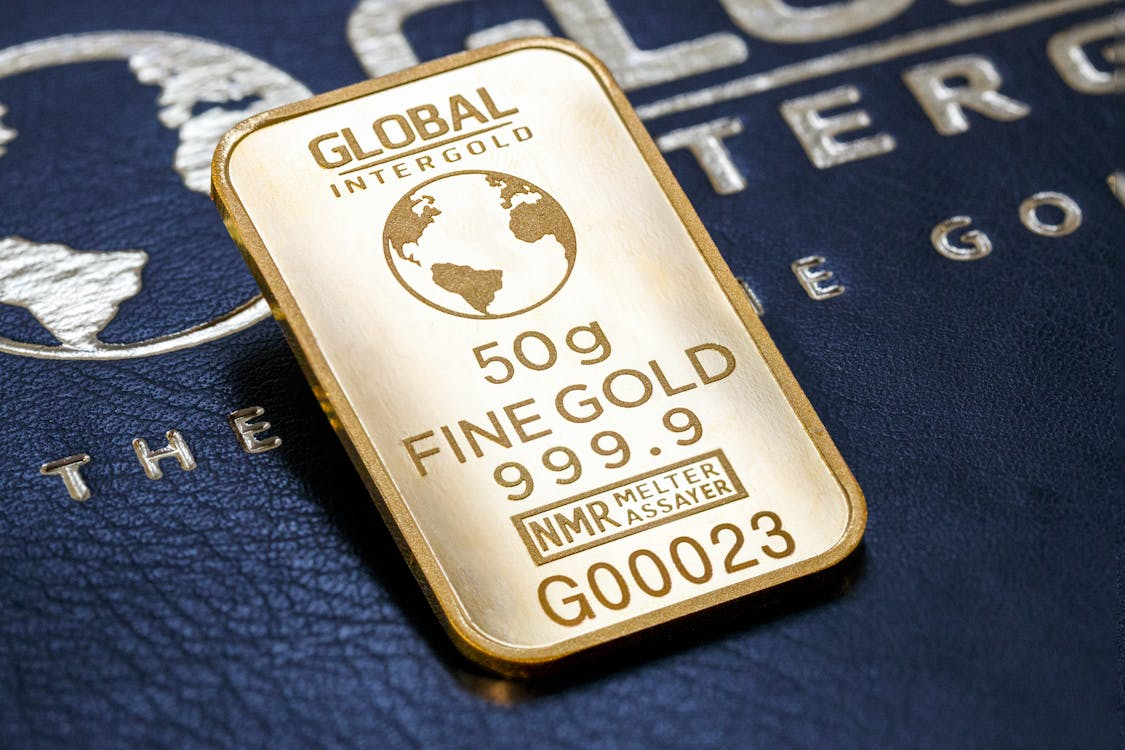
The modern digital asset market demands transparency, reliability, and a fundamental economic basis. Against this backdrop, the AYNI token stands out. It has a unique model because it is not tied to gold reserves but to production — real operational activity.
Ayni Gold's projects invest in real mining. Clients can earn up to 30% annually from production margins. This makes AYNI similar to infrastructure investments but with digital ease.
This project aligns perfectly with key investment trends. It reflects the current demands of investors, namely:
- growing interest in tokenization;
- desire for greater control over assets;
- transition from passive ownership to participation in business processes;
- demand for capital protection from inflation.
AYNI appeals to modern investors by combining gold market reliability, operational profits, and easy access through digital tools.
Conclusion
The gold market is one of the most stable and predictable parts of the global financial system. Its price is influenced by supply and demand, interest rates, geopolitics, and market liquidity. This metal is more than just a safe haven. It helps reduce risks and adjust to economic changes.
New investment options like the Ayni Gold project and the AYNI token provide returns that traditional metal buying can't match. For those seeking stability and modern solutions, investing in gold mining is a good choice.



.svg)